The Binding of Isaac
Video Game
Analysis
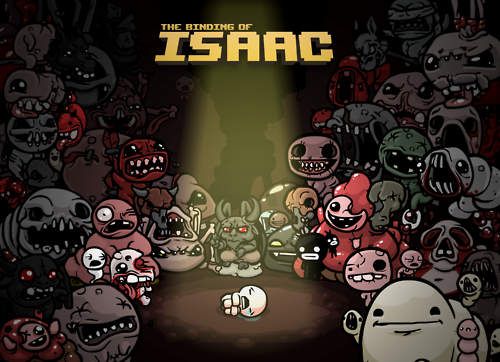
The Binding of Isaac is an indie dungeon-crawler released in 2011; it was created by Edmund McMillen and Florian Himsl. This video game presents the story of Isaac, tormented by his mother after she hears voices insisting that her son has sinned. Believing herself visited by God, she eventually comes after Isaac with intent to kill: he just barely escapes through a trap door down to the basement. As Isaac enters here, it's unclear what parts of his experience are real or figments of his imagination. For example, this basement is the main setting of this roguelike, spawning a certain amount of rooms per each floor and going 6 floors deep. However, it's highly unlikely that his real basement would contain hordes of monsters and go down a full 6 stories.
There are always certain rooms on each floor, such as the Boss Room and the Secret Room. A Treasure Room with a power-up and a Shop Room with items for purchase will always spawn on the first 3 floors. A large amount of these spaces generate by random; items and monsters do as well. This element of chance gives players a new, fresh experience every time they play. The final boss of floor 6 is Isaac's mother, apparently come to kill him in a fit of fervent rage.
Depending on the items collected and characters unlocked, the original Binding of Isaac, including the Wrath of the Lamb DLC, provides 13 different endings to the story. Although I haven't obtained these myself (this game is hard!), the final 3 epilogues illustrate a dark end: Isaac dying after an extended period of hiding in his toy chest. Apparently, there are additional endings included in future games. I can't help but wonder if they show a happier conclusion than what's been presented so far.
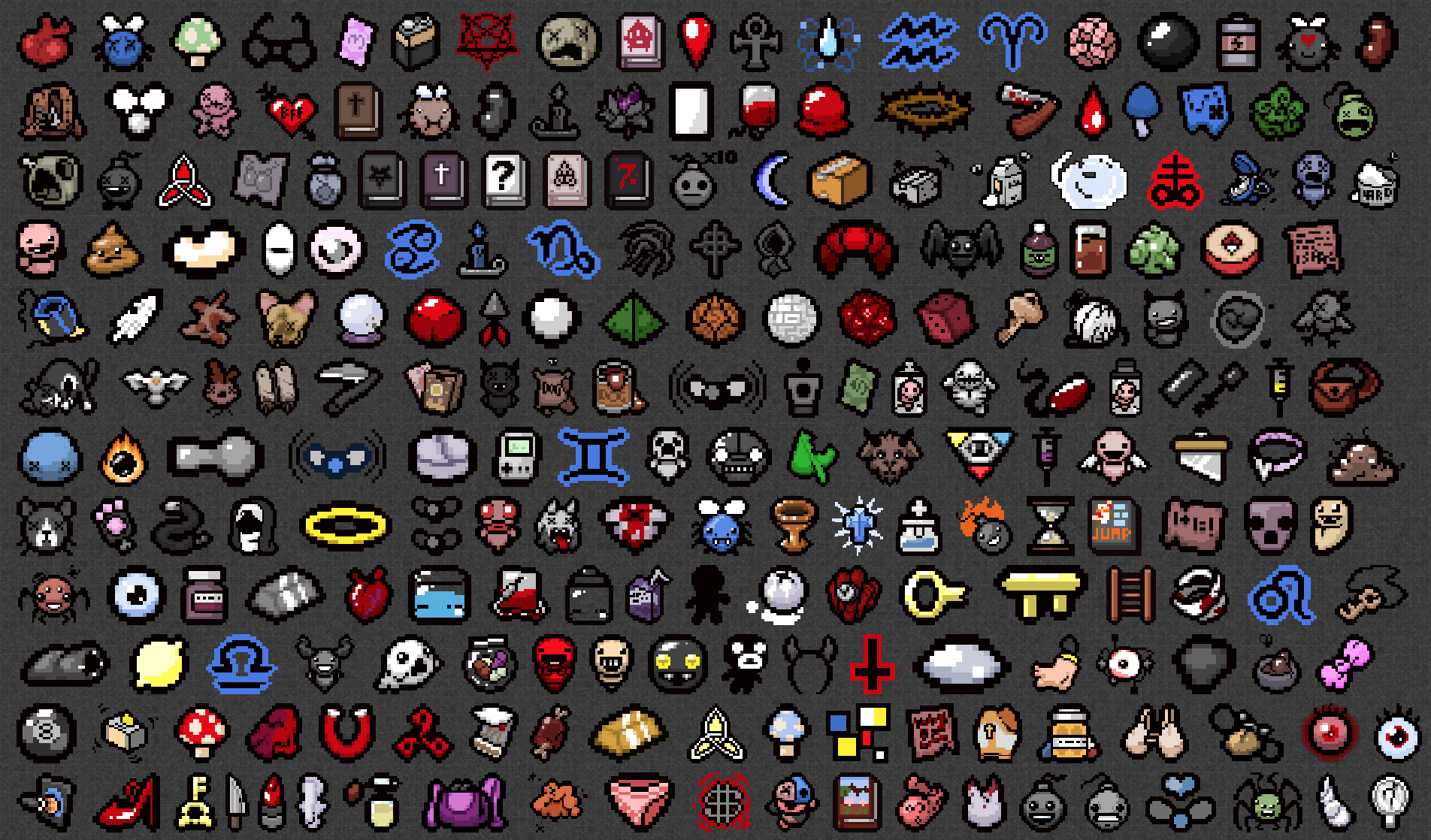
The first image on this slide shows items that can be found in the Binding of Isaac. Some of these objects contain religious themes, such as The Blood of the Martyr and Holy Water; a few are a bit horrific, like parts of Guppy, his dead cat; and others present demonic imagery, such as The Book of Sin and Demon Baby. As mentioned, the items one collects during gameplay can influence the cutscene a player gets upon completion of the game. It's undeniable that the collection of these "holy" or "sinful" objects would impact Isaac's state of mind and therefore the perceived ending. The second slide here shows all unlockable characters, many with Biblical names: Isaac, Magdalene, Cain, Judas, Eve, Samson, and more. The choice to use largely scorned figures in the Bible such as Eve, Cain, Judas, and Samson is an intriguing creator choice. Perhaps it suggests an alternate perspective on these well-worn stories, just as we see with Isaac.
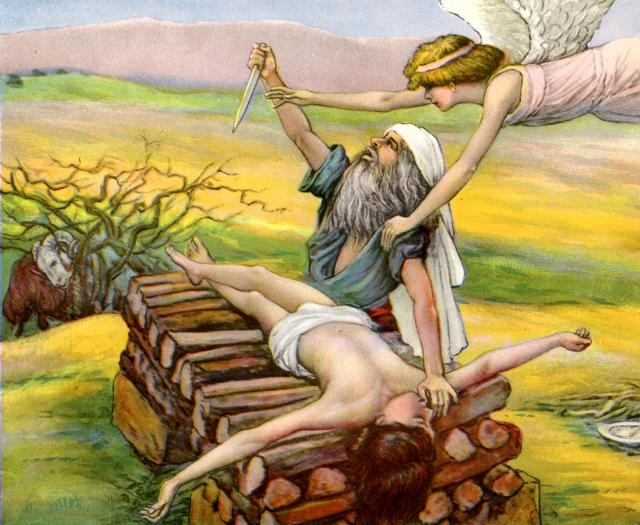
Many will recognize that The Binding of Isaac is based off of the Biblical myth with the same name. In this story, God decides to present Abraham with a test of faith: Abraham must sacrifice Isaac, his son, in order to remain in God's favor. Abraham moves to the designated place and prepares to do the deed, only hesitating when an angel appears to stop him. A nearby ram is eventually killed and used for the sacrifice instead.
The more I've thought about this story, the more its nature has disturbed me. I can't imagine killing my family in order to prove my loyalty, let alone a child. Others interpret this tale differently, pointing out the importance of sacrifice and being faithful. An opposite interpretation illustrates it as a manifestation of blind faith. This analysis may appeal to those with a critical eye towards religion - especially since a version exists where Isaac is sacrificed instead of saved.
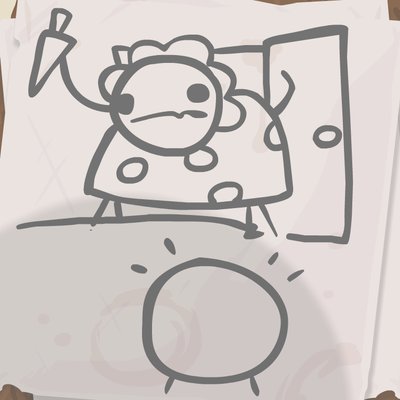
In The Binding of Isaac, Isaac's mother seems to receive a very similar message to what Abraham did. She strives to remove her son of sin and to prove herself a devoted servant of God. Even the way she approaches, butcher's knife in hand, parallels the Biblical tale of sacrifice.
This video game, however, provides a different perspective than ancient religious stories. One can infer that Isaac's mom is likely suffering from paranoid schizophrenia, causing her to have hallucinations and delusions about her son. The narrative is presented through the eyes of a child who has had his sense of normalcy completely shattered. As the player character, Isaac's main weapon is tears, which shoot from his eyes as he attempts to navigate the labyrinth his basement has become. It's laudable how The Binding of Isaac puts a twist on a popular Biblical story and therefore spurs players into thinking more deeply about their relationship with faith.
Here are some videos for those unfamiliar with The Binding of Isaac. The first is the initial cutscene that I explained in the introduction, and the latter shows some gameplay in a full run of the game.